Page is one of the most underrated spots in Arizona.
It may be a small town, but it has some of the most recognizable landmarks across the Southwest.
Towering red canyon walls, narrow slot canyons, and that famous horseshoe-shaped bend in the Colorado River.
We came to Page for Antelope Canyon & Horseshoe Bend. And while both are extremely popular tourist stops, they’re popular for a reason.
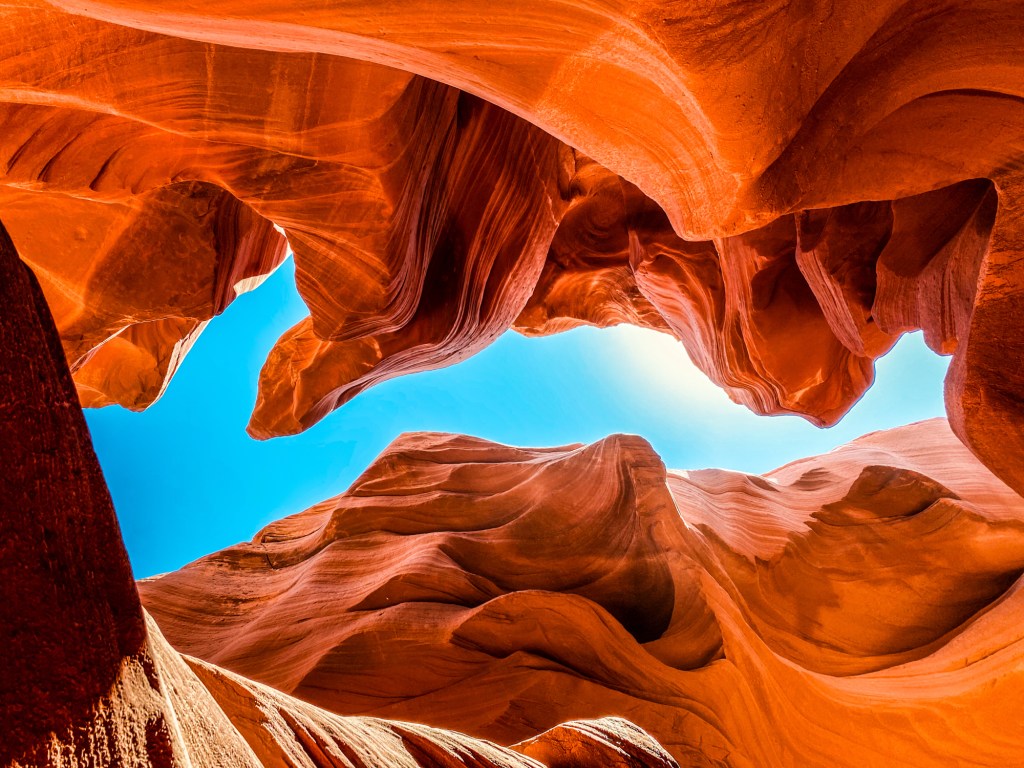
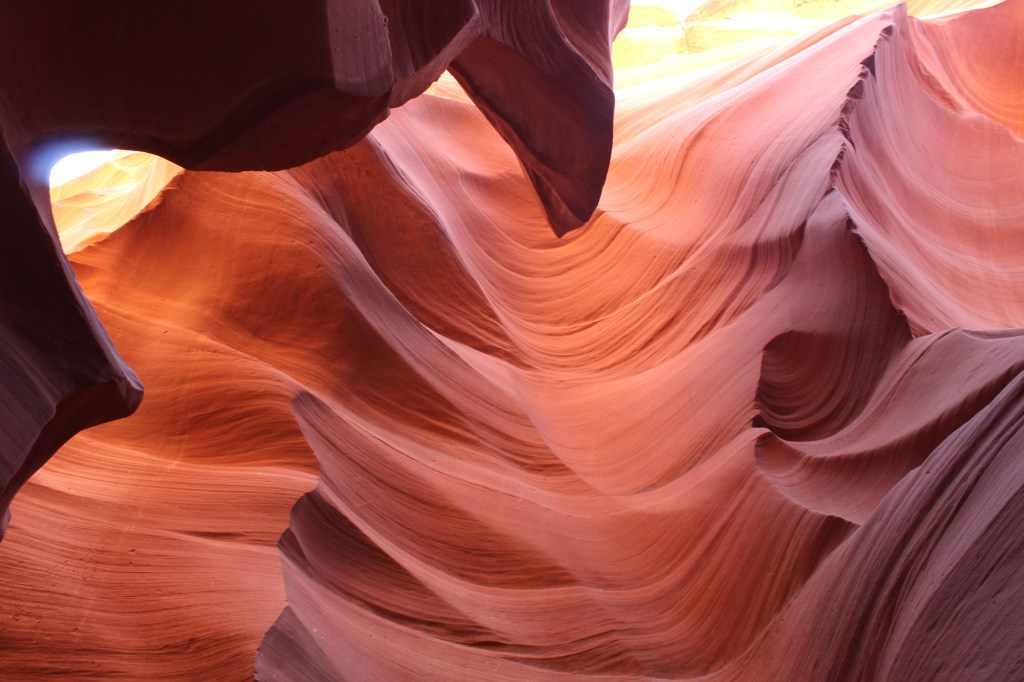
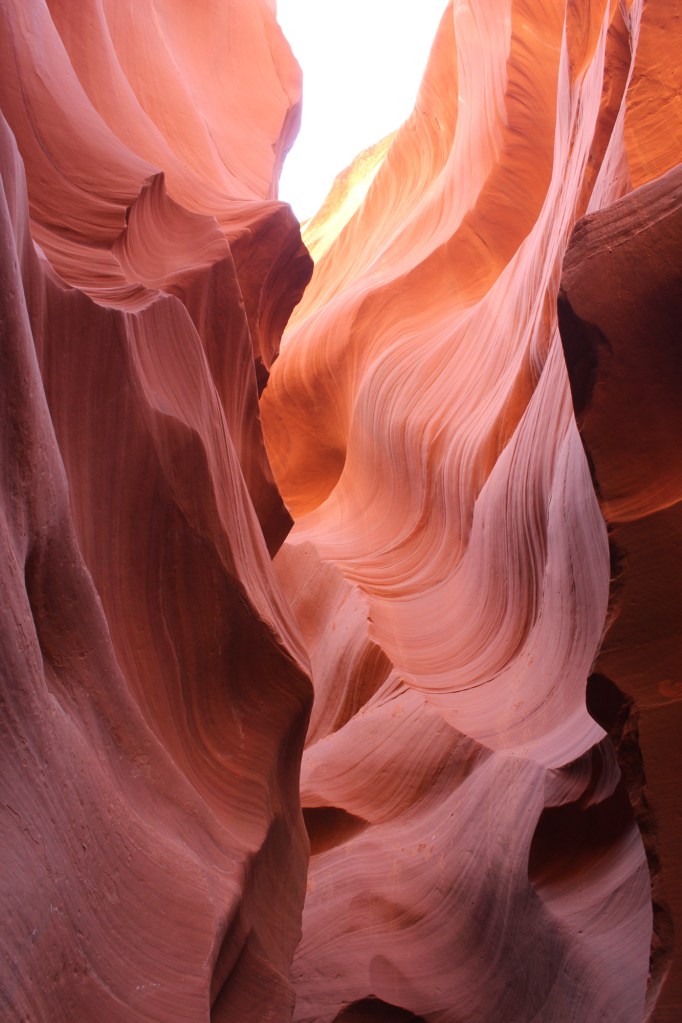
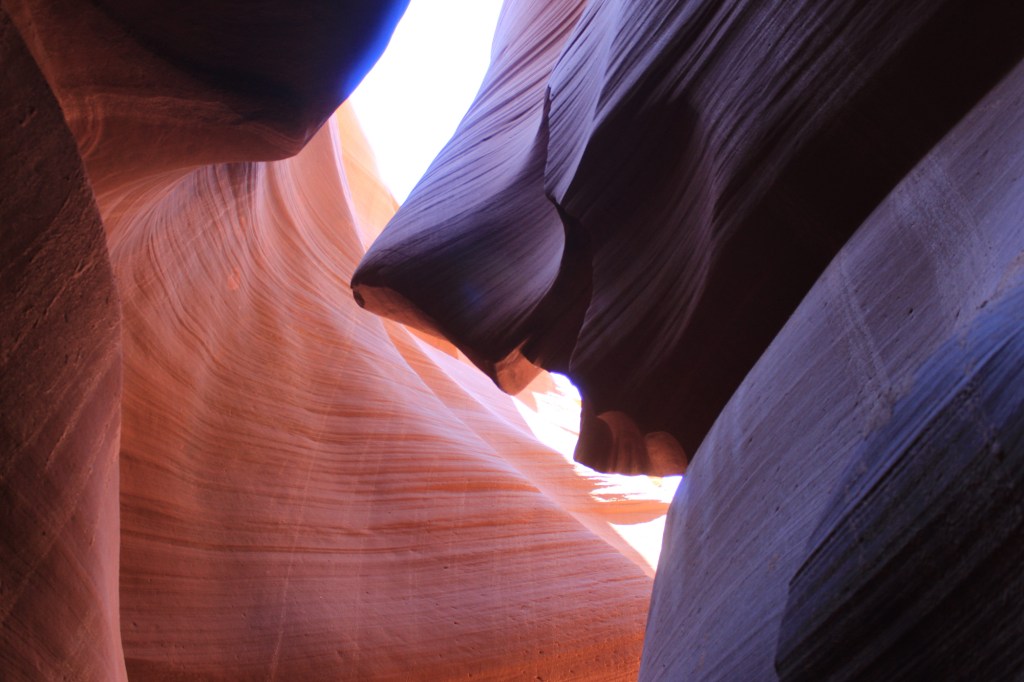
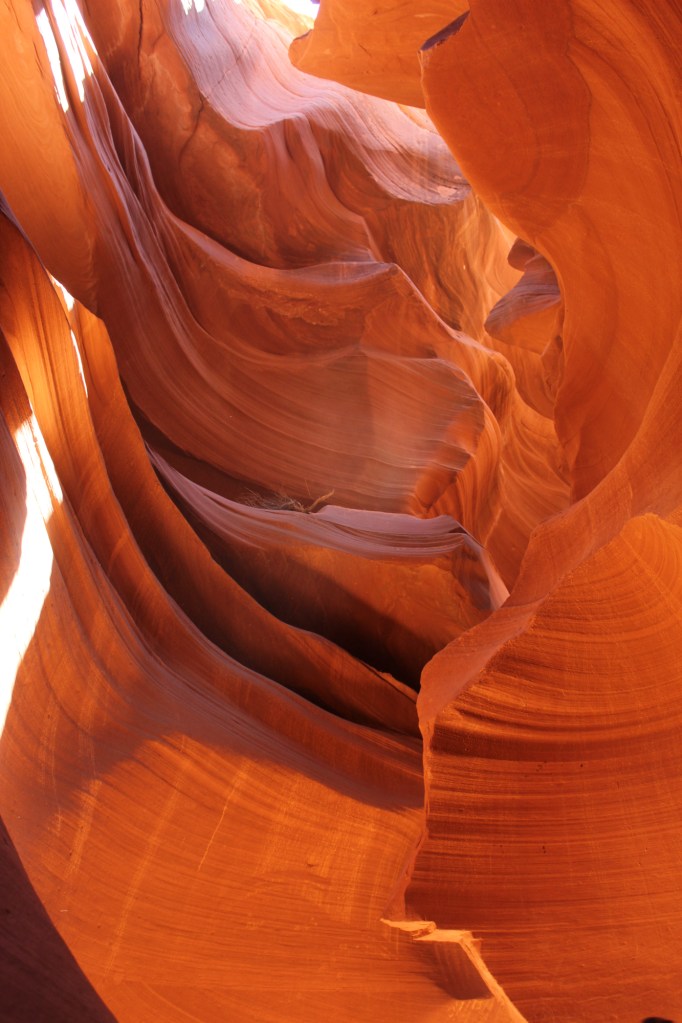
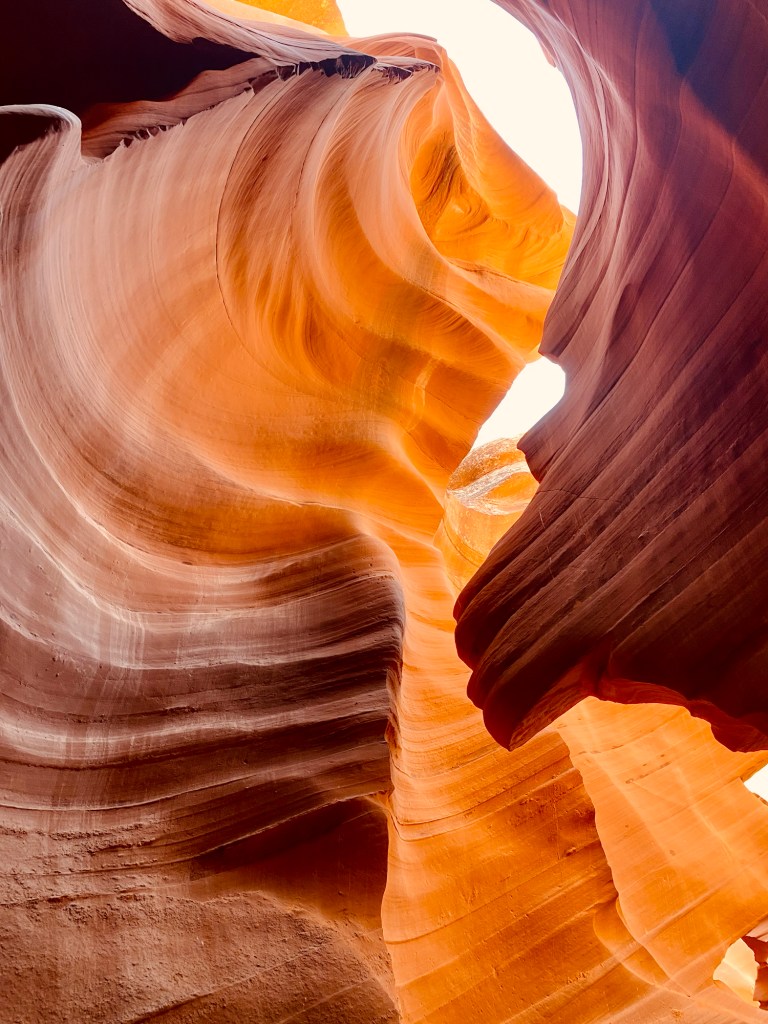
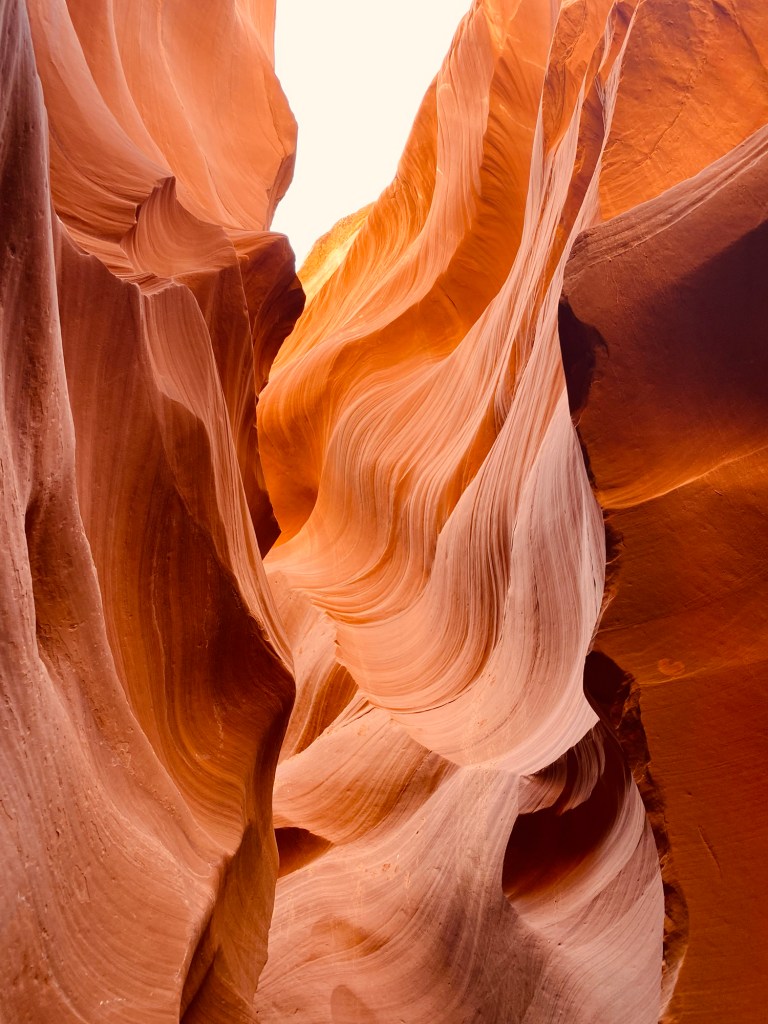
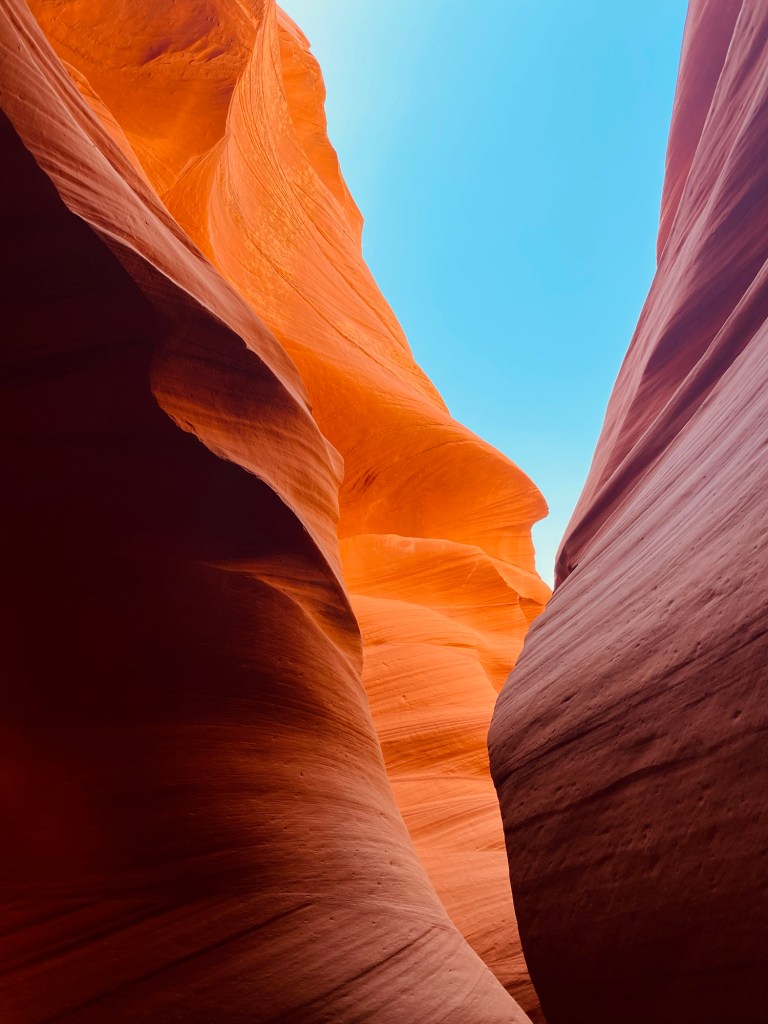
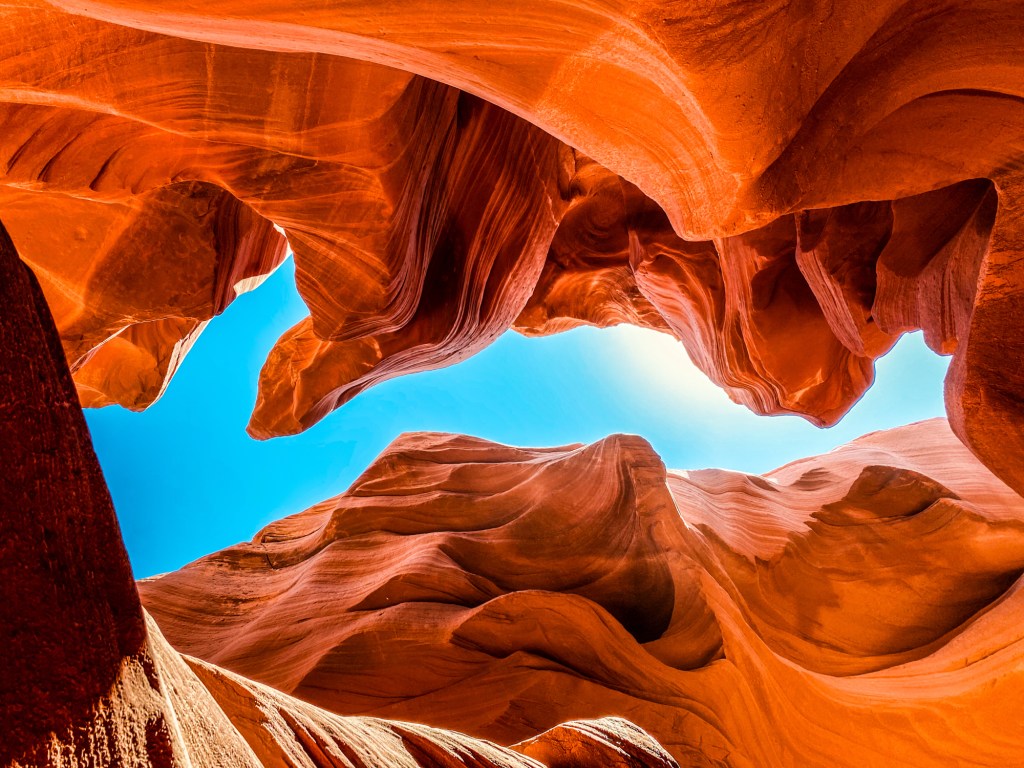
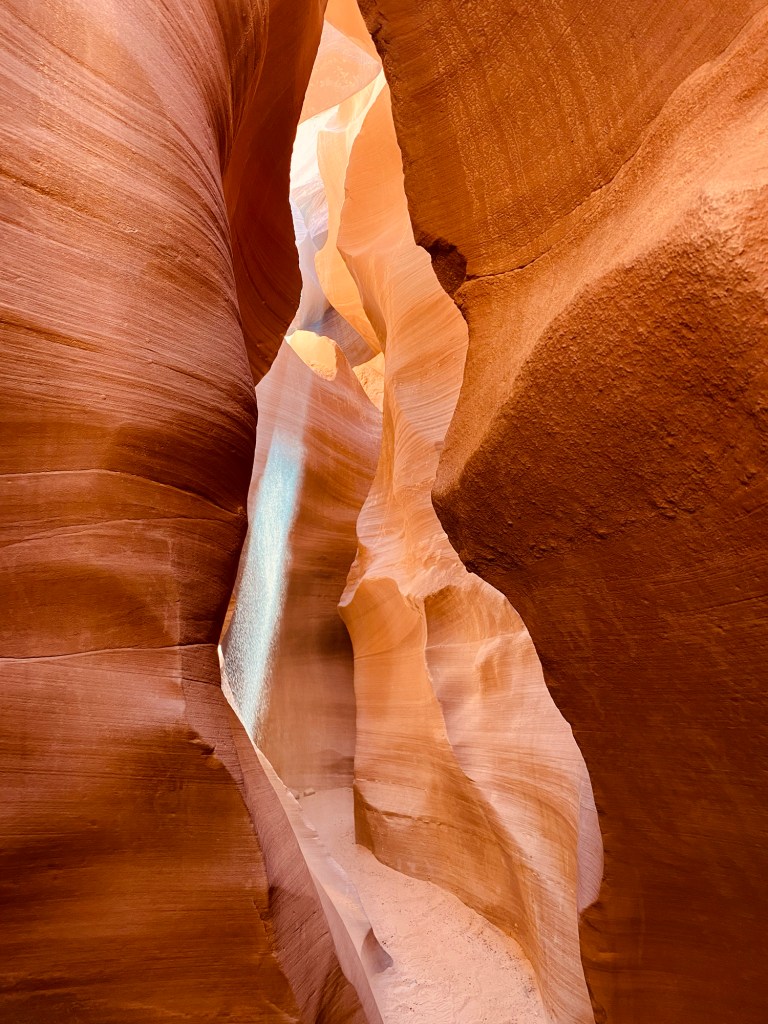
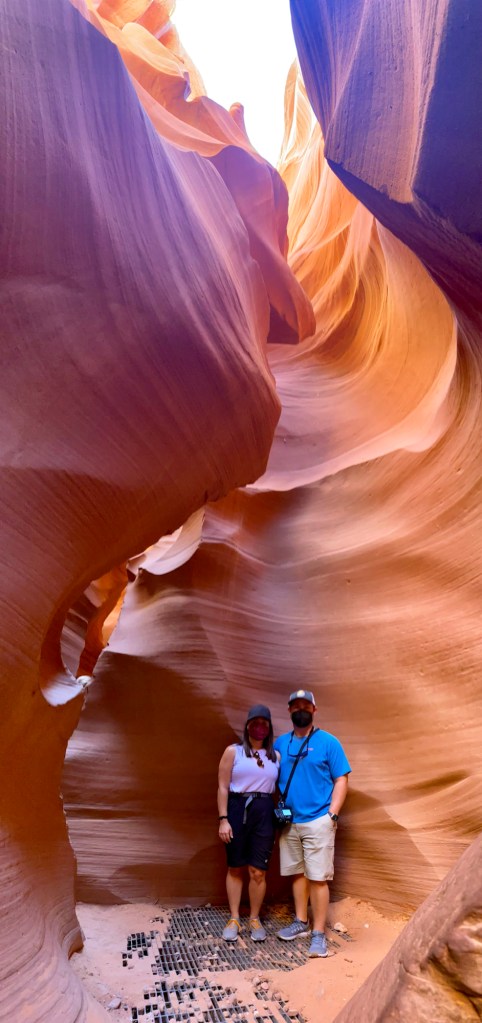
Antelope Canyon is something that’s even more spectacular in person. Every turn you think, “Wait, isn’t that a Microsoft Windows screensaver?”
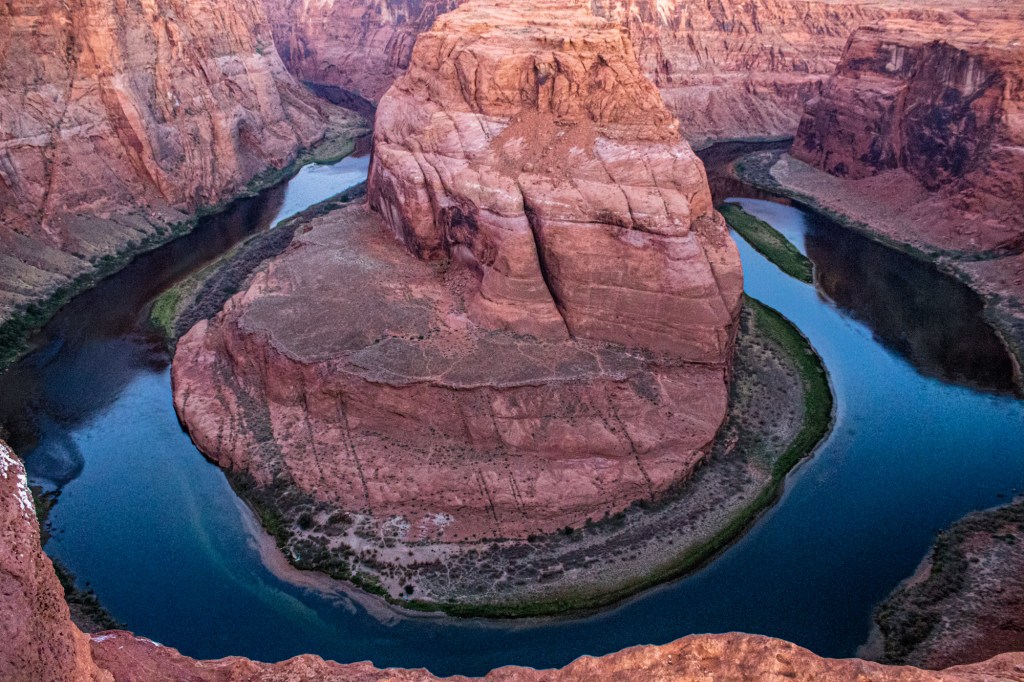
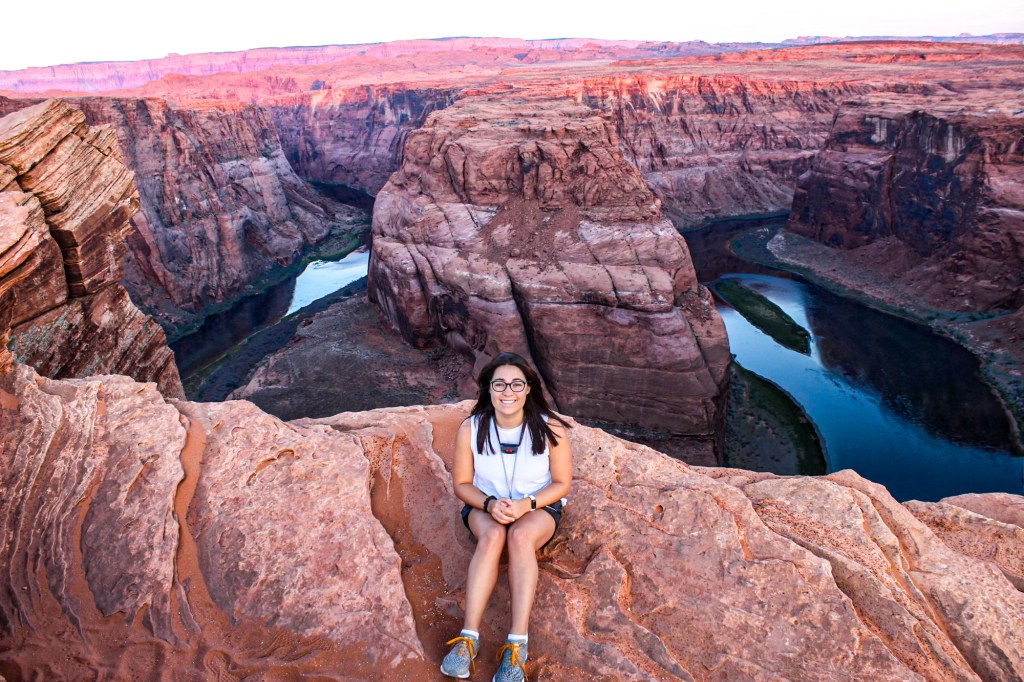
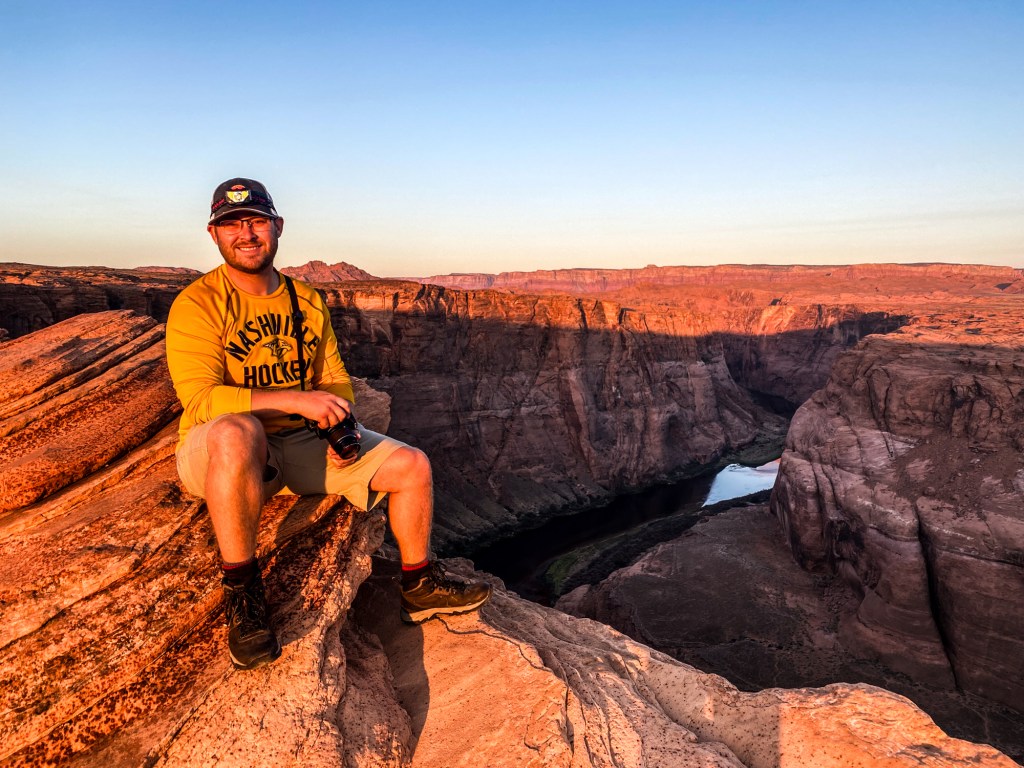
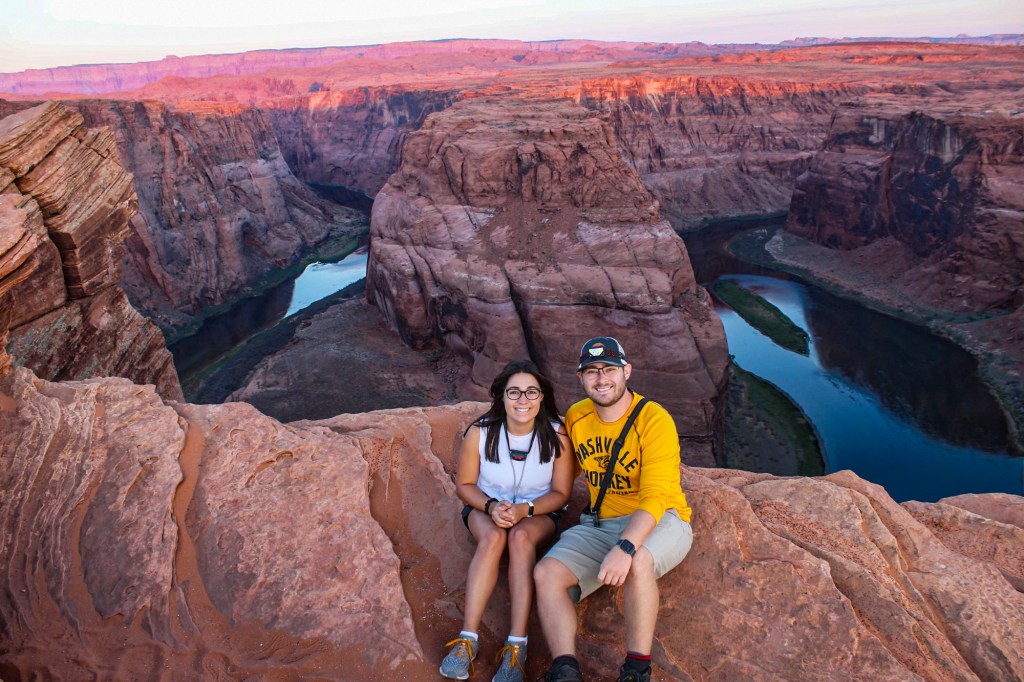
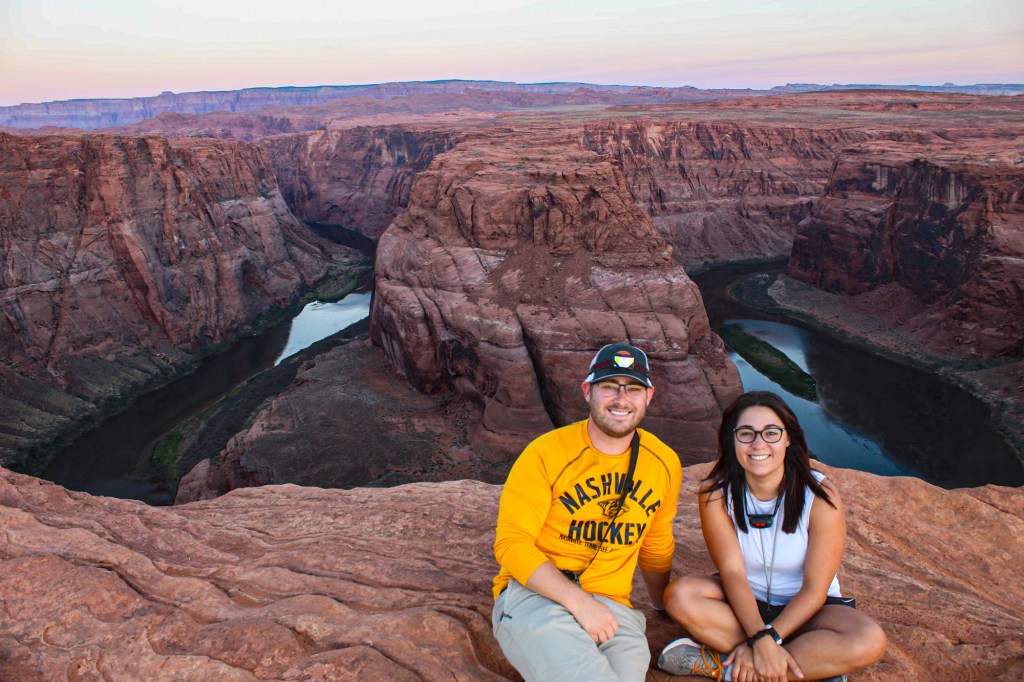
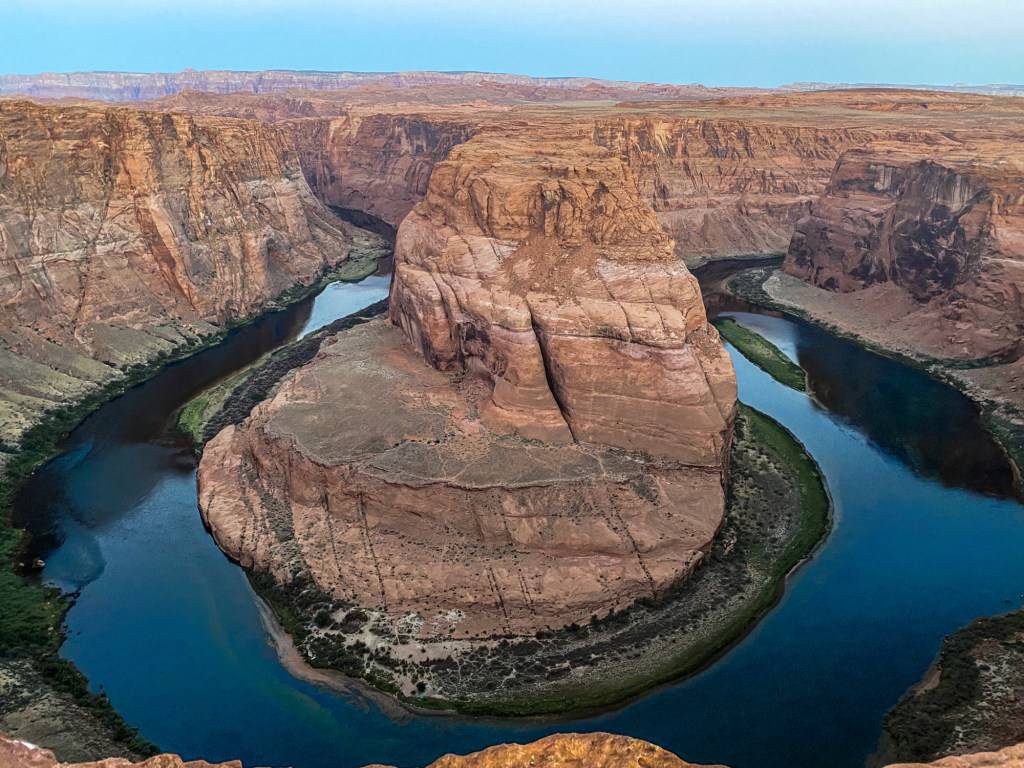
Horseshoe Bend is one of those places you don’t understand the scale until you’re standing on the edge.
Both places are absolute “must dos” while in the area. The best part, you can do them both in the same half of the day. You don’t need to dedicate an entire weekend to this area to see the highlights, but if you do have the extra time, you’ll be glad you stayed.
Wupatki National Monument
If you’re driving from Flagstaff or Phoenix, you should take the time to stop into Wupatki National Monument, just north of Flagstaff.
Everyone knows the Grand Canyon and has seen pictures of Antelope Canyon and Horseshoe Bend. Yet, hardly anyone knows that sitting out in the high desert are the remains of pueblos that have been here for hundreds of years.
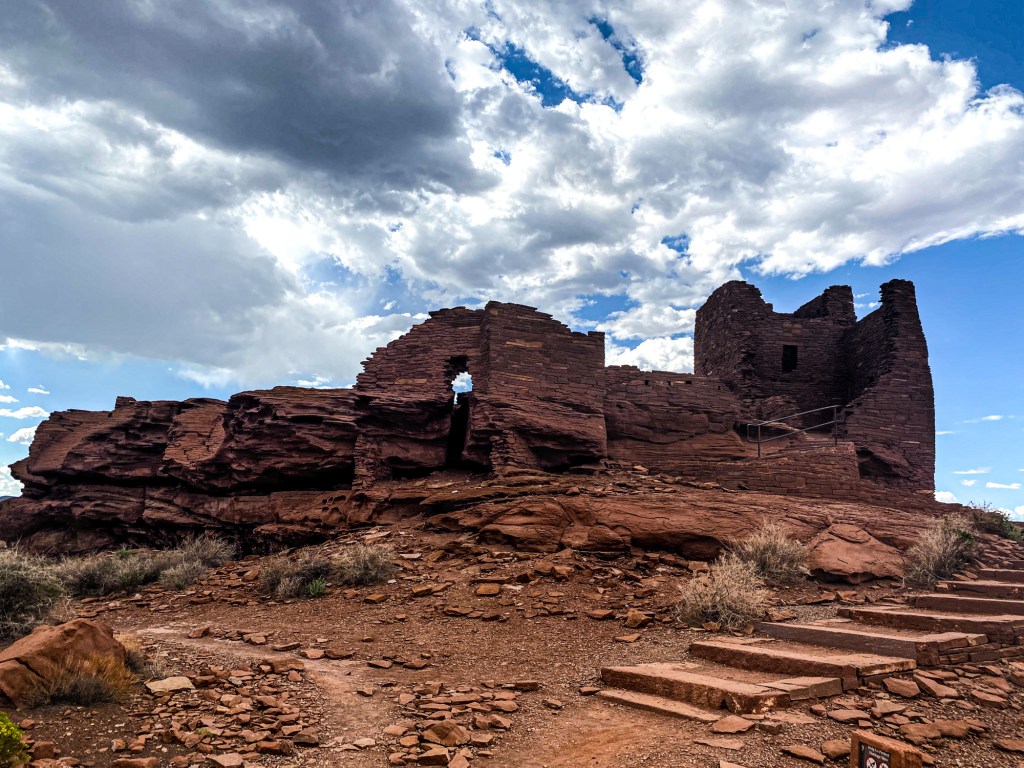
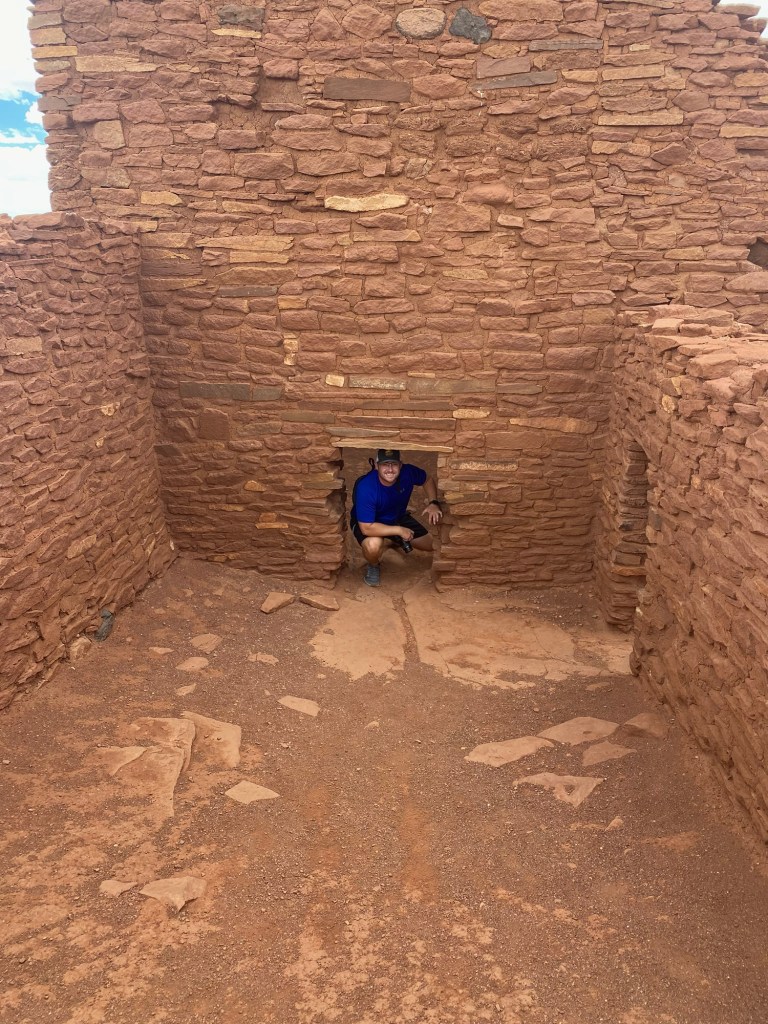
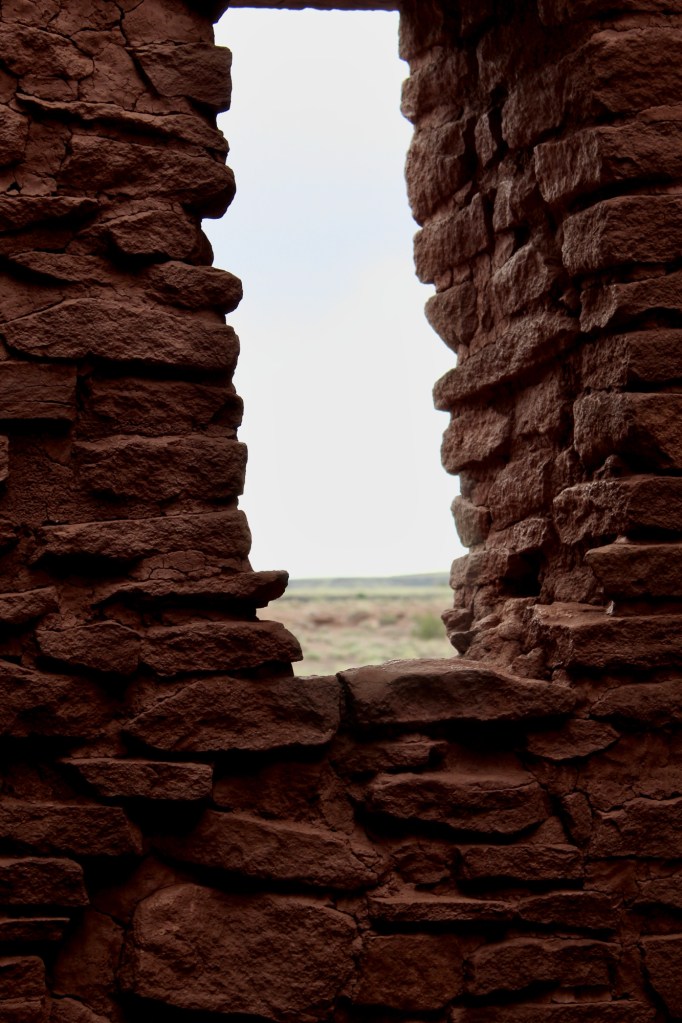
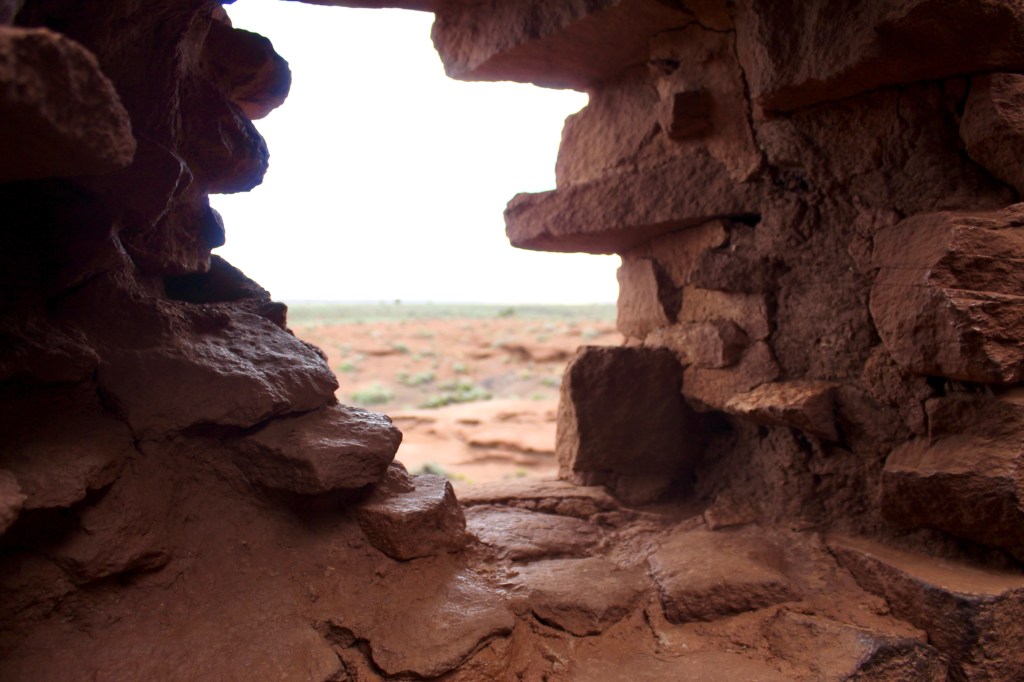
Wupatki National Monument protects more than 2,600 ancestral Puebloan structures scattered across a landscape of red rock, grassland, and volcanic terrain. The largest and most impressive is Wupatki Pueblo, which once contained around 100 rooms and was home to a thriving community.
The coolest part is that you can actually walk around the pueblo. A short trail takes you from the visitor center down to the ruins, where you can see the remaining rooms, community spaces, and a reconstructed view of what was once a surprisingly large settlement.
One of my favorite things about Wupatki, though, was the landscape itself. It feels empty.
You have these massive stretches of desert and grassland with the San Francisco Peaks in the distance, and then suddenly there is an enormous red sandstone pueblo sitting in the middle of it.
It makes you stop and think about what living here would have actually been like hundreds of years ago.
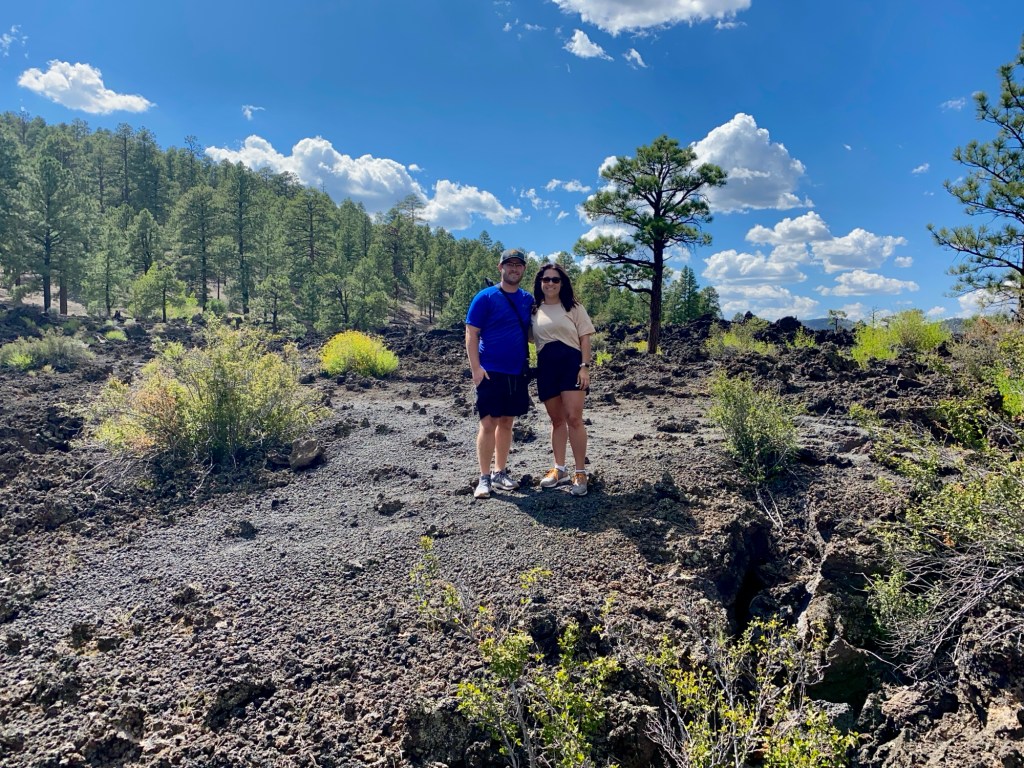
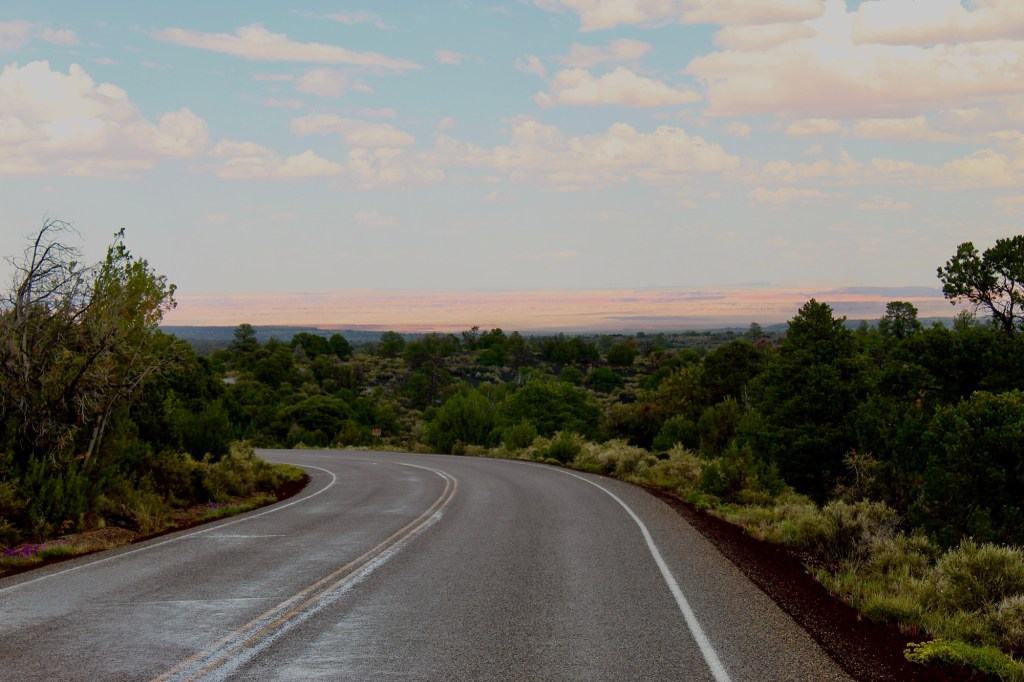
Wupatki is also an easy stop to pair with Sunset Crater Volcano National Monument, since the two are connected by a scenic loop road. If you’re driving north from Flagstaff toward Page, combining the two makes for a pretty great detour.
We weren’t here for a huge hike or an all-day adventure. We were here to wander through a piece of Arizona history before continuing north. For a stop that wasn’t one of the “big” destinations of the trip, Wupatki ended up being well worth the detour.
Horseshoe Bend
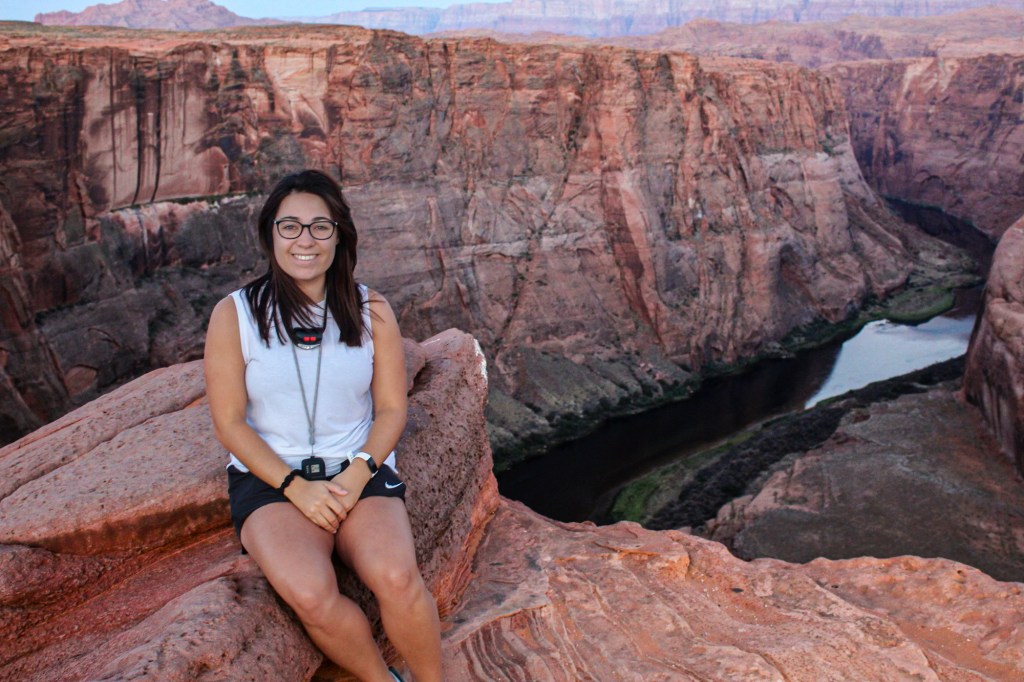
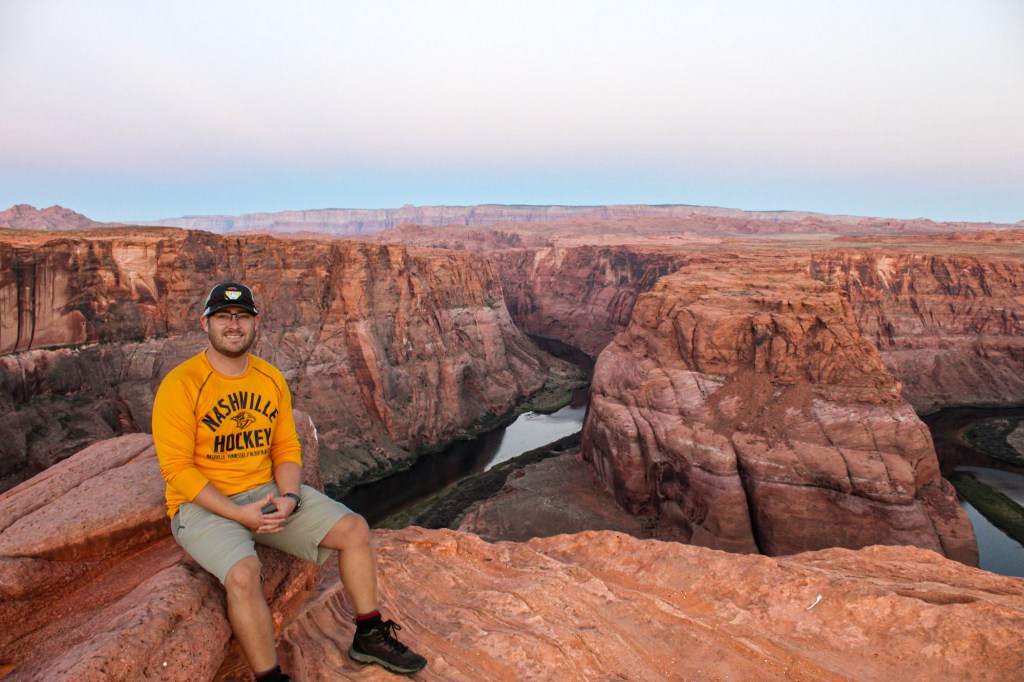
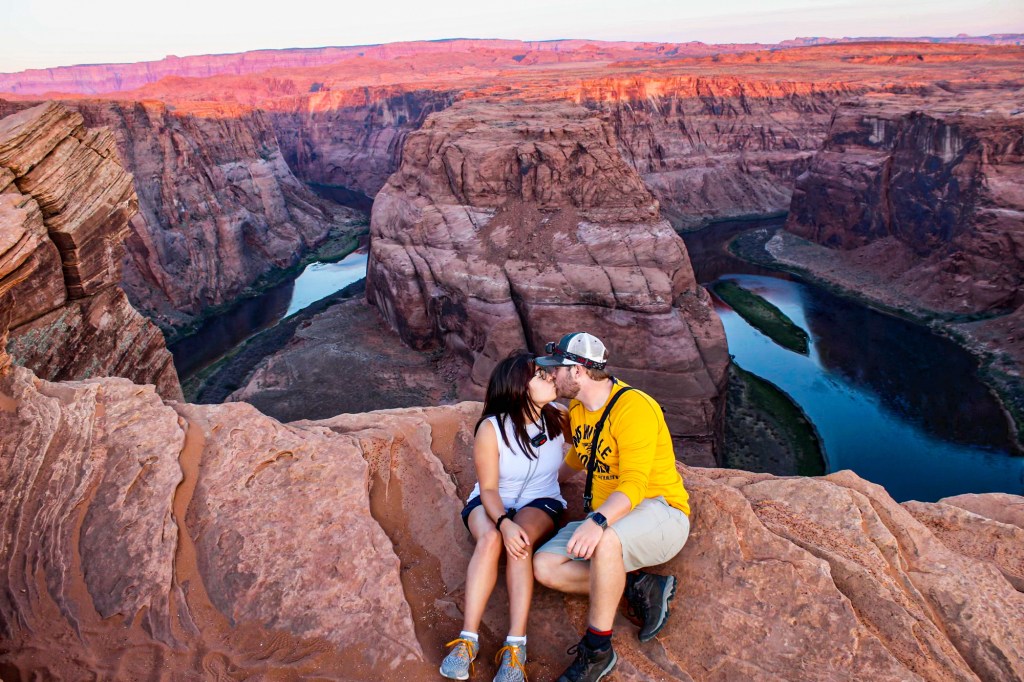
We wanted to visit for Horseshoe Bend at sunrise for two reasons: it’s an extremely popular tourist spot so we wanted to avoid crowds and sunrise is our favorite part of the day.
Horseshoe Bend is open sunrise to sunset. We arrived a little before sunset and had to wait for the park ranger to arrive! We paid the $10 entrance fee, parked, turned on our headlamps, and started the short trek (0.75 miles) to the canyon.
Once we arrived, we sat on the edge and watched the sunrise.
Antelope Canyon
After leaving Horseshoe Bend, we headed off to Antelope Canyon.
Located just outside Page on Navajo Nation land, Antelope Canyon was carved over thousands of years by flash floods rushing through the sandstone. The result is a slot canyon with smooth, flowing walls that look almost sculpted rather than carved by water.
Unlike a lot of the places we visit, this isn’t somewhere you can simply park the car, throw on your hiking boots, and start exploring.
You have to visit Antelope Canyon with an authorized Navajo guide.
We toured through Dixie’s Lower Antelope Canyon. Our tour lasted about an hour and a half and we had a local Navajo guide.
There are two sections of the canyon you can tour, Upper and Lower Antelope Canyon. Each offers a different experience, but they all give you a chance to walk through one of the most unique landscapes in Arizona.
Don’t Leave Without Trying Navajo Fry Bread
Before leaving northern Arizona, there was one more thing we needed to try: Navajo fry bread.
Fry bread is exactly what it sounds like — a simple dough that’s fried until it’s golden and crispy on the outside while staying warm and chewy on the inside. And it is DELICIOUS.
Fry bread is more than just something good to eat. It has a complicated history tied to the forced removal of the Navajo people from their homeland in the 1860s. During the Long Walk and subsequent internment at Bosque Redondo, traditional foods weren’t readily available, and government-issued staples like flour, salt, sugar, and lard became the ingredients used to make fry bread.
Today, it has become an important food within Navajo culture, despite originating from an incredibly difficult period in Navajo history.
So if you’re traveling through Page and the Navajo Nation, make time to stop for fry bread.


Leave a Reply